
The Smart Home Features Transforming Residential Living This Year
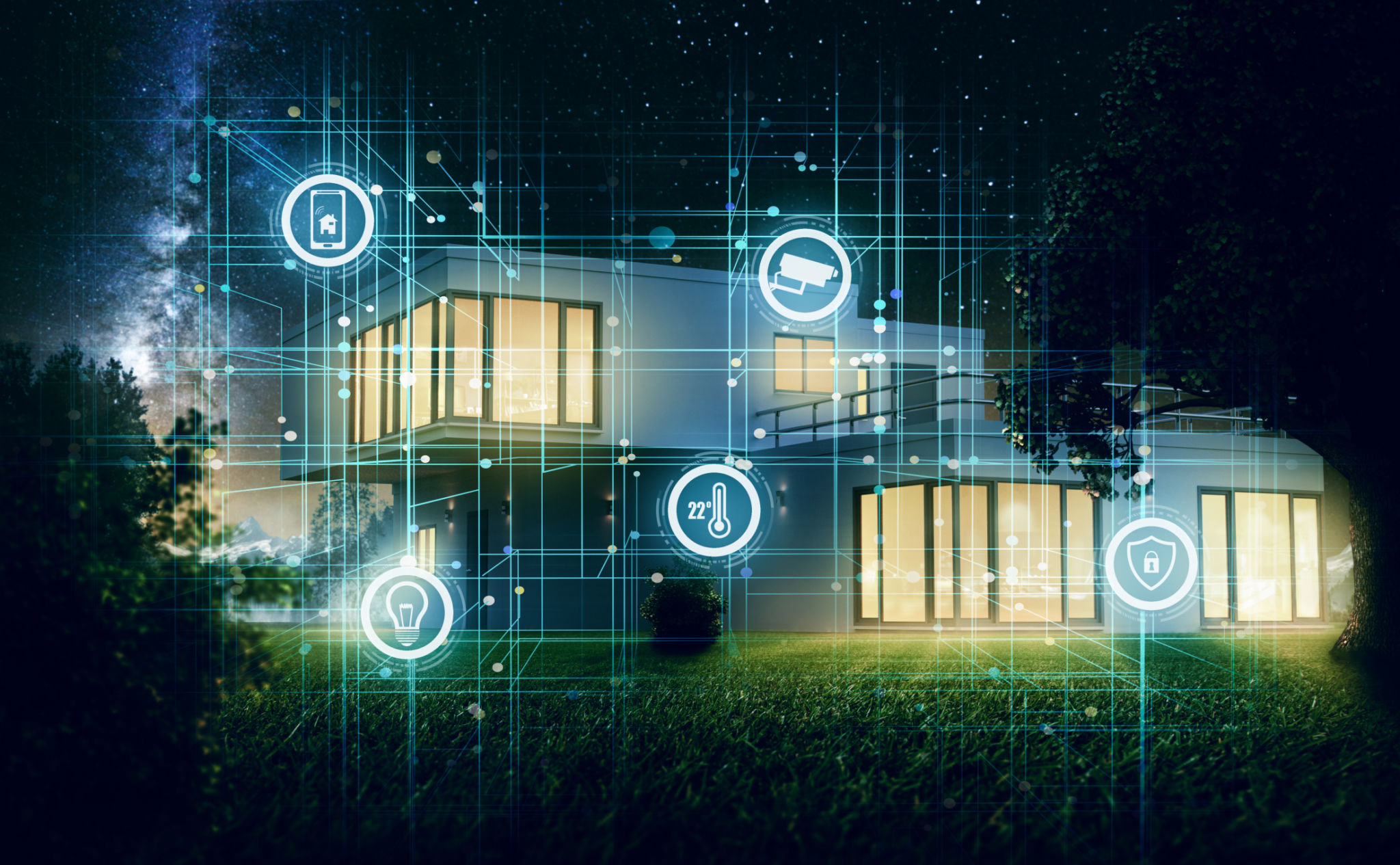
In recent years, the concept of a smart home has evolved from a futuristic dream to a practical reality for many homeowners. With the rapid advancement of technology, smart home features are transforming residential living, making homes more efficient, secure, and convenient than ever before.
Enhanced Security Systems
One of the most significant advancements in smart home technology is in the realm of security. Modern smart security systems offer homeowners peace of mind with features like real-time video surveillance, motion detection, and remote access. These systems allow users to monitor their homes from anywhere in the world using a smartphone or tablet.
Some systems even incorporate facial recognition technology, alerting homeowners to unfamiliar faces. The integration with other smart devices, such as smart locks and doorbells, further enhances the security of the home.
Energy Efficiency and Sustainability
Smart home technology is also making strides in energy efficiency, helping homeowners reduce their carbon footprint and save on utility bills. Smart thermostats, for example, learn your schedule and adjust the temperature accordingly, ensuring optimal comfort while minimizing energy consumption.
Additionally, smart lighting systems can be programmed to turn off when no one is in the room, and smart water systems can monitor usage and detect leaks early. These features collectively contribute to a more sustainable living environment.

Integration with Renewable Energy
Many smart homes are now integrating with renewable energy sources like solar panels. Smart inverters and battery storage systems allow homeowners to optimize the use of solar energy, storing excess energy for use during peak hours or power outages.
Convenience and Automation
The convenience offered by smart home devices is unparalleled. Voice-controlled assistants such as Amazon Alexa, Google Assistant, and Apple's Siri allow users to control various aspects of their home with simple voice commands.
From adjusting lighting and music to setting reminders and managing grocery lists, these assistants streamline daily tasks. Automated routines can be set up to perform multiple actions at once, such as dimming the lights and locking the doors when you say, "Goodnight."

Smart Appliances
Smart appliances are another area where technology is making a significant impact. Refrigerators with built-in cameras let you check your groceries while shopping, and smart ovens can be preheated remotely. These appliances not only offer convenience but also help in managing household chores more efficiently.
Health and Wellbeing
As health and wellbeing become more central to our lives, smart home technology is adapting to meet these needs. Air quality monitors, smart beds, and even connected fitness equipment are becoming common in smart homes, providing real-time data to help maintain a healthy lifestyle.
For example, smart air purifiers can detect and remove pollutants, while smart beds can adjust firmness and track sleep patterns to optimize rest.

The transformation of residential living through smart home technology is just beginning. As these innovations continue to evolve, they promise to make homes safer, more efficient, and more comfortable, paving the way for a smarter, more connected future.